Blog
Marijuana And Acne
Apr
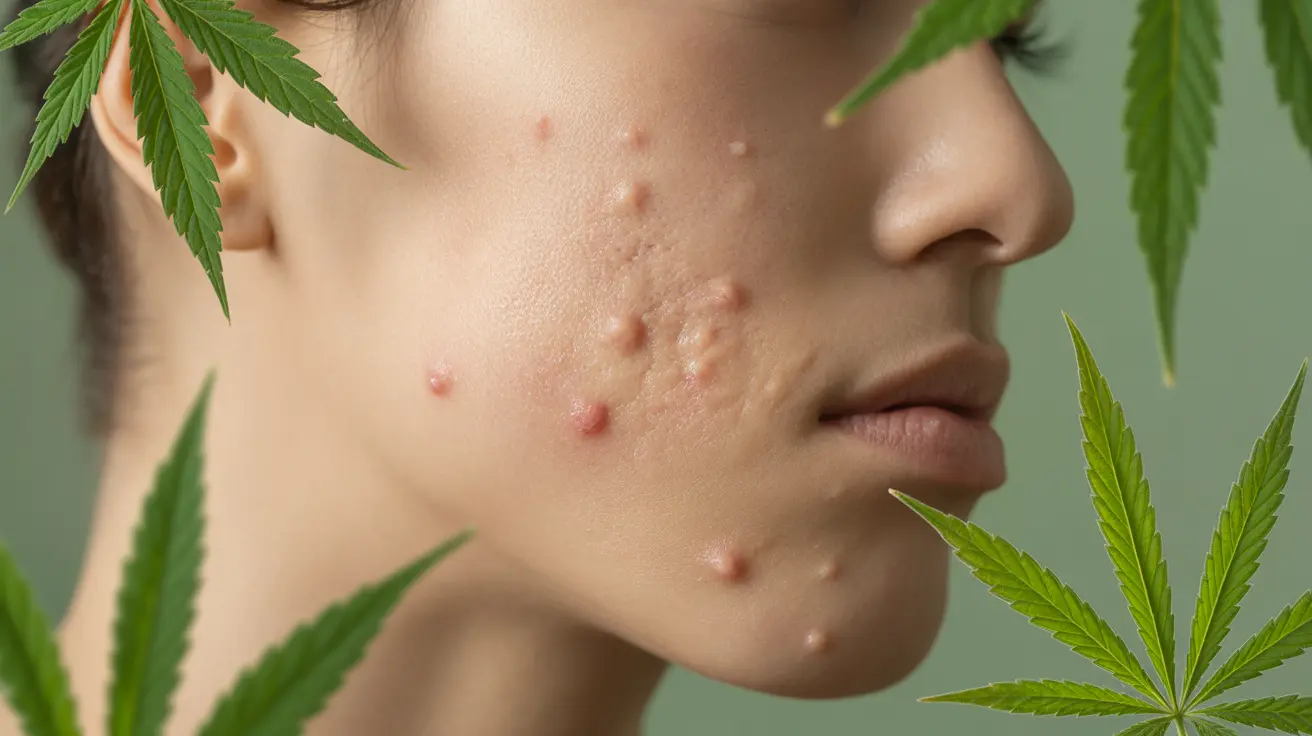
Marijuana And Acne, Acne is one of the most common skin concerns affecting teenagers and adults alike. At the same time, marijuana use has become more common in many parts of the world for recreational and medical purposes. This has led many people to ask an important question: what is the relationship between marijuana and acne? Can marijuana cause breakouts, make acne worse, or even help improve skin conditions?
In this article, we will explore the possible link between marijuana and acne, how cannabis may affect the skin, and what you should know if you struggle with breakouts.
Understanding Acne
Before discussing marijuana and acne, it helps to understand what causes acne. Acne develops when pores become clogged with:
- Excess oil (sebum)
- Dead skin cells
- Bacteria
- Inflammation
Hormonal changes, stress, diet, genetics, and skincare habits can all contribute to acne. Because acne has multiple causes, it is rarely triggered by one factor alone.
Does Marijuana Cause Acne?
There is no strong scientific evidence proving that marijuana directly causes acne. However, marijuana may influence factors that contribute to breakouts.
1. Hormonal Effects
Some studies suggest cannabis may affect hormone levels, particularly testosterone and cortisol. Hormonal fluctuations can increase oil production in the skin, which may lead to clogged pores and acne flare-ups.
2. Increased Stress or Reduced Motivation
While some people use marijuana to relax, frequent use may affect mood, sleep, or daily routines in certain individuals. Poor sleep and stress are known acne triggers.
3. Lifestyle Habits
The connection between marijuana and acne may come more from habits than the substance itself. For example:
- Forgetting to wash your face after smoking
- Eating sugary snacks or junk food after cannabis use
- Poor hydration
- Inconsistent skincare routines
These habits may increase the chances of breakouts.
Can Smoking Marijuana Worsen Skin Health?
Smoking of any kind can expose the body to toxins and free radicals. These compounds may:
- Increase inflammation
- Reduce oxygen delivery to the skin
- Speed up skin aging
- Interfere with healing of acne marks
So while marijuana itself may not directly cause acne, smoking it could negatively affect overall skin health.
Can CBD Help Acne?
Cannabis contains many compounds, including THC and CBD. Unlike THC, CBD is non-psychoactive and has gained attention in skincare.
Some early research suggests CBD may help acne by:
- Reducing inflammation
- Regulating oil production
- Calming irritated skin
Because of this, CBD-infused skincare products are becoming more popular. However, more clinical research is still needed before calling it a proven acne treatment.
Marijuana and Acne Scars
Another topic often discussed is marijuana and acne scars. Smoking may slow wound healing and collagen production, which could make acne marks take longer to fade. Good skincare, sun protection, and dermatologist-approved treatments remain the best options for scars.
Tips If You Use Marijuana and Have Acne
If you notice a connection between marijuana and acne breakouts, consider these steps:
Keep Skin Clean
Wash your face daily, especially after smoking or sweating.
Watch Your Diet
Avoid excessive sugary or greasy snacks often linked with “the munchies.”
Stay Hydrated
Drink enough water to support healthy skin.
Use Non-Comedogenic Products
Choose skincare products that do not clog pores.
Consider Non-Smoking Alternatives
Smoking may irritate the skin more than other methods.
Track Your Breakouts
Keep a journal of cannabis use and acne flare-ups to identify patterns.
When to See a Dermatologist
If acne is painful, persistent, or causing scars, it is best to consult a dermatologist. Professional treatment may include:
- Topical retinoids
- Benzoyl peroxide
- Prescription medications
- Hormonal treatments
- Acne scar procedures
Final Thoughts on Marijuana and Acne
The relationship between marijuana and acne is complex. Marijuana does not appear to directly cause acne in most people, but it may worsen breakouts through hormones, inflammation, smoking, diet, stress, or poor skincare habits.
